

Poison In The Honey
Poison in the Honey
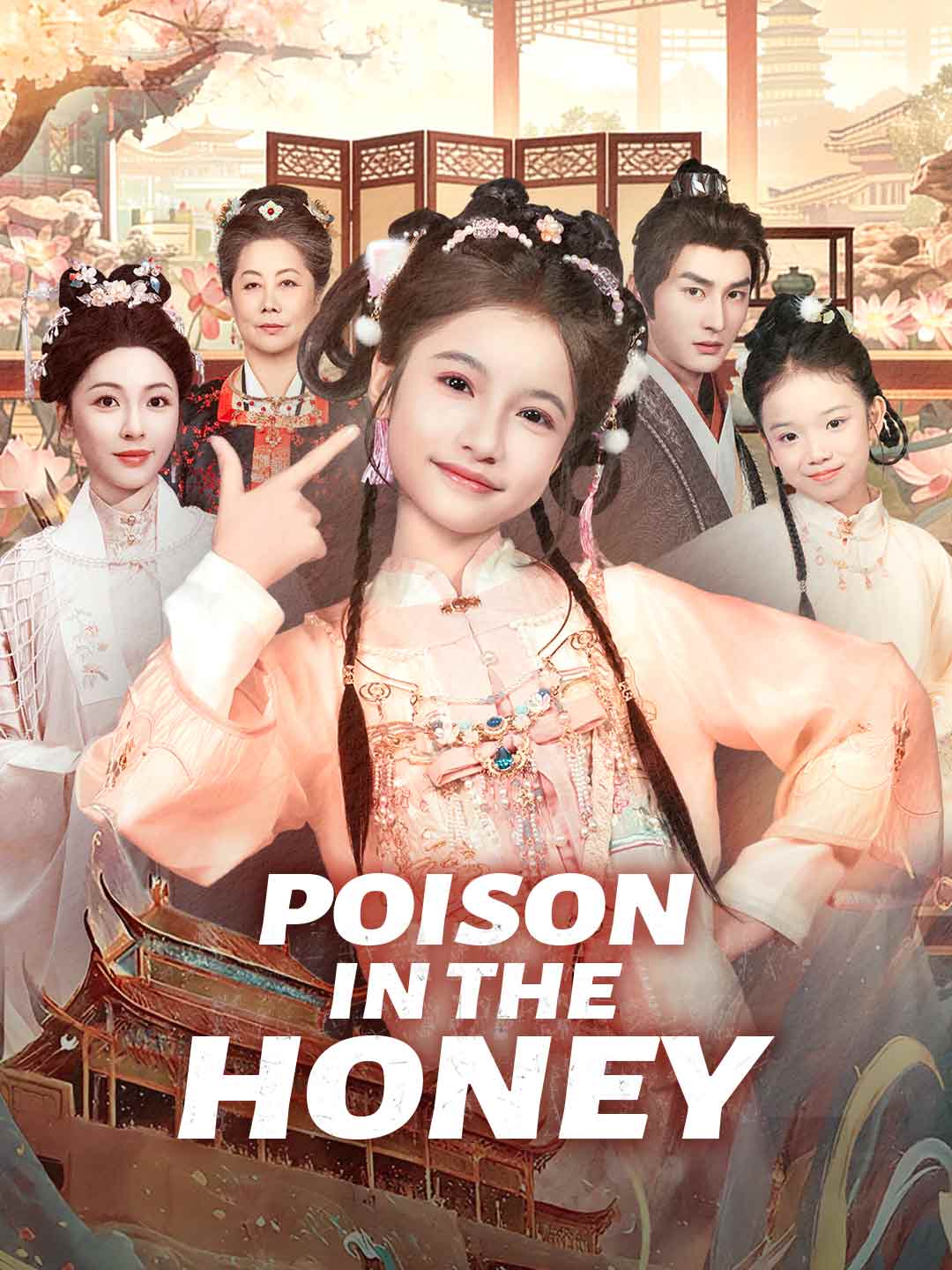
Hey, everyone! How's it going? Today I'm here to review the drama Poison in the Honey, available on ReelShort, which presents a captivating blend of revenge, mystery, and psychological drama that keeps audiences thoroughly engaged. This series arrives as a standout entry in the short-form drama landscape, combining intricate plotting with emotionally resonant character work that transcends typical genre conventions. What makes Poison in the Honey particularly special is its exploration of betrayal, redemption, and the transformative power of second chances, wrapped in a narrative that expertly balances intimate character moments with larger-than-life dramatic stakes. The premise—a young woman granted a second life after devastating family betrayal—hooks viewers immediately, but it's the execution that truly captivates. The drama doesn't simply rehash tired revenge tropes; instead, it interrogates the psychological complexity of vengeance, the cost of deception, and what it truly means to rebuild oneself from the ashes of destruction. For audiences seeking intelligent, character-driven storytelling with genuine emotional depth, this series represents essential viewing that satisfies on multiple levels.
Poison in the Honey distinguishes itself through its masterful production approach, utilizing ReelShort's unique short-form format to maximum effect. The series employs sophisticated cinematography that balances intimate character studies with sweeping visual storytelling, creating a visual language that feels simultaneously elegant and intensely intimate. Each episode is carefully constructed to deliver narrative momentum while developing complex character relationships, demonstrating remarkable pacing discipline. The production team has invested considerable effort in creating lavish sets that evoke the opulence of the Graham mansion—a character in itself—while maintaining visual consistency across the expansive episode count. The technical achievements extend beyond mere aesthetics; the editing rhythm perfectly complements the emotional beats, with quiet moments of introspection given equal weight to dramatic confrontations. The sound design deserves particular commendation, as subtle musical cues and environmental audio create atmospheric depth that enhances viewer immersion. What's particularly impressive is how the series maintains production quality throughout its substantial episode run, avoiding the common pitfall of declining visual standards in extended narratives. The technical execution demonstrates that short-form drama needn't sacrifice cinematic quality for brevity.
The series masterfully explores themes of identity, betrayal, and redemption, weaving them seamlessly throughout the narrative fabric. At its core, Poison in the Honey interrogates the nature of family loyalty and the devastating consequences when paternal love proves conditional and manipulative. The drama examines how trauma reshapes identity, following Nora's psychological transformation from naive heiress to calculating strategist. Equally significant is the exploration of feminine agency—the series presents a protagonist who refuses victimhood, instead channeling her pain into purposeful action and calculated resistance. What truly sets Poison in the Honey apart is its nuanced approach to revenge narratives; rather than glorifying vengeance, the drama thoughtfully examines its psychological toll and moral complexity. The show succeeds in presenting a protagonist whose motivations feel entirely justified while simultaneously questioning whether retribution ever truly heals the wounded. Through Nora's journey, the series explores themes of self-discovery, the possibility of reinvention, and whether one can ever truly escape the shadow of family trauma. The thematic richness ensures that viewers aren't merely entertained by plot mechanics but genuinely moved by the deeper questions the narrative poses about justice, forgiveness, and personal transformation.
A Heiress Reborn: From Betrayal to Calculated Vengeance
The story opens with Nora Graham inhabiting a world of privilege and apparent affection—a beloved daughter showered with paternal attention and family wealth. Yet this seemingly idyllic existence shatters when she discovers a devastating truth: her father's doting affection was orchestrated deception designed to elevate her half-sister, positioning Nora as merely a pawn in a larger conspiracy. This revelation arrives not as gentle disillusionment but as catastrophic betrayal, triggering a chain of events that destroys everything she held dear. The family's collapse comes swiftly and brutally, leaving Nora stripped of fortune, status, and identity. The narrative's opening brilliantly establishes the emotional stakes—we witness Nora's world crumbling in real time, experiencing her shock, devastation, and ultimate despair. The cinematography during these sequences is particularly masterful, using visual metaphors of light and shadow to represent her psychological state. What makes this opening compelling isn't merely the dramatic reversal but the emotional authenticity with which it's portrayed.
As the narrative unfolds, Nora's death and subsequent rebirth introduce the series' central mechanism: a second chance to reshape her destiny. Armed with knowledge of the conspiracy and hardened by suffering, she returns to the Graham mansion not as the innocent heiress but as a calculating operative disguised as dutiful daughter. The series excels at building tension through the gap between Nora's external performance and internal reality—viewers understand her true motivations while watching her navigate a household of potential enemies. Subplots involving her half-sister, her father's business dealings, and hidden alliances interweave with the main narrative, creating a complex web of intrigue. What keeps viewers hooked is the constant uncertainty: will Nora's plan succeed, or will her enemies discover her true intentions? The series masterfully employs dramatic irony, allowing audiences to appreciate Nora's cleverness while maintaining genuine suspense about ultimate outcomes. Each episode reveals new layers of conspiracy, forcing both Nora and viewers to reassess their understanding of past events and present relationships.
Nora Graham: The Architect of Her Own Resurrection
The protagonist of Poison in the Honey emerges as one of contemporary drama's most compelling characters—a woman whose journey from victimhood to agency feels psychologically authentic and emotionally earned. Nora's initial characterization as a privileged but ultimately naive heiress makes her transformation all the more powerful; we understand the girl she was before the betrayal, making her evolution into a strategic operative feel like genuine character development rather than convenient plot mechanism. Her performance captures the subtle emotional registers required—the careful control necessary to maintain her deception while occasionally revealing the wounded person beneath the calculated facade. From her first appearance in the post-resurrection scenes, there's a visible hardness in her eyes that wasn't present before, a physical manifestation of psychological transformation. The actress brings remarkable nuance to scenes where Nora must perform filial devotion while internally seething with justified rage. What's particularly impressive is how she conveys Nora's internal conflict—the part of her that still yearns for genuine paternal love warring with the rational part that understands such affection was always illusory.
What elevates Nora beyond typical revenge protagonists is the series' refusal to sanitize her methods or present her as purely sympathetic. She's capable of cruelty, manipulation, and calculated betrayal—not because she's inherently evil, but because survival in her environment demands such tactics. Her relationships reveal this complexity beautifully; with allies, she occasionally allows genuine vulnerability to emerge, while with enemies, she's mercilessly efficient. The character represents the series' central thematic statement: that trauma transforms us, sometimes in ways we don't fully control, and that the line between justice and vengeance is far more blurred than we'd like to admit. Nora's arc explores whether one can pursue righteous retribution without becoming the very thing one opposes—a question the series doesn't answer simplistically. Her internal monologues, when they occur, reveal a mind constantly calculating, strategizing, and assessing risk. Yet moments of genuine humanity break through—her vulnerability around potential allies, her complex feelings toward family members she's decided to destroy. This psychological complexity ensures viewers remain invested not merely in whether she succeeds, but in what that success will cost her.
The Father's Shadow: Manipulation and Conditional Love
The paternal figure in Poison in the Honey serves as the narrative's psychological anchor, embodying the betrayal that sets everything in motion. Though he appears less frequently as the series progresses, his influence permeates every scene, representing the toxic legacy of conditional love and calculated manipulation. The performance captures the particular horror of a man who genuinely believes his actions justified—he's not a cartoon villain but a complex figure convinced of his own righteousness. His early scenes with Nora drip with false affection, making the eventual revelation all the more devastating. The actor portrays him with a certain charm and plausibility, which makes his betrayal sting harder; we understand why Nora initially trusted him, why his deception was so effective.
What's psychologically fascinating is how the series explores the father's perspective without excusing his actions. His motivations—ambition, favoritism toward his other child, desire for legacy—are understandable even as they're morally reprehensible. His relationship with Nora becomes the emotional core of the entire narrative; her journey toward destroying him is simultaneously a journey toward accepting that the man she loved was never who she believed him to be. This psychological complexity prevents the drama from devolving into simplistic good-versus-evil dynamics. Instead, it presents a tragedy where multiple characters make understandable choices that lead to catastrophic consequences. His scenes with Nora in the post-resurrection timeline are particularly charged with tension, as viewers understand her true intentions while he remains oblivious. The father's ultimate fate becomes not merely a plot point but a commentary on the consequences of emotional manipulation and the price of betrayal.
Deception and Calculated Intimacy: The Drama's Greatest Strength
One of the series' greatest strengths lies in its sophisticated exploration of performative relationships—how Nora must maintain false intimacy while pursuing genuine vengeance. The drama understands that the most compelling drama emerges not from external action but from internal conflict, and it excels at depicting the psychological toll of sustained deception. Scenes where Nora must embrace her father while internally planning his downfall carry extraordinary emotional weight, as viewers experience the cognitive dissonance alongside her. The cinematography during these moments is particularly masterful, using close-ups and subtle facial expressions to convey the gap between performance and reality. The series employs strategic moments of privacy where Nora's mask slips, revealing the exhaustion and pain beneath her calculated exterior. These moments of vulnerability serve multiple purposes—they remind viewers of Nora's humanity while heightening the tension of her deception.
These moments resonate because they're grounded in psychological authenticity; anyone who's maintained false relationships understands the exhaustion such performance demands. The series uses carefully calibrated pacing to enhance these emotional beats, allowing quiet moments of introspection equal weight to dramatic confrontations. The music during intimate scenes between Nora and family members carries ironic undertones, musically representing the gap between surface and substance. Viewers find themselves simultaneously rooting for Nora's success while experiencing genuine discomfort at her manipulation of people who, despite their flaws, sometimes show genuine affection. This moral ambiguity elevates the series from typical revenge fantasy to genuine character study. The approach forces audiences to interrogate their own responses—we want justice for Nora, yet we're troubled by the methods she employs. This psychological complexity ensures that Poison in the Honey transcends genre conventions, offering something far more intellectually and emotionally challenging than standard revenge narratives.
Triumph on ReelShort: Finding Perfect Platform Alignment
Poison in the Honey has found its ideal home on ReelShort, where the platform's short-form format perfectly complements the series' narrative structure and pacing. The series thrives within the constraints of shorter episodes, using each installment to deliver satisfying story beats while maintaining momentum toward larger narrative arcs. ReelShort's audience—viewers seeking character-driven drama with sophisticated storytelling—aligns perfectly with what Poison in the Honey offers. The platform's strength lies in attracting viewers who appreciate intelligent narratives, and this series demonstrates exactly why such audiences have embraced short-form drama as a legitimate storytelling medium.
The show's success on ReelShort reflects broader trends in how audiences consume drama; the binge-friendly format allows viewers to experience extended narratives without the weekly waiting period traditional television demands. What distinguishes Poison in the Honey in ReelShort's extensive catalog is its production value and narrative sophistication—it doesn't feel like a compromise or stripped-down version of traditional drama but rather a story optimized for its medium. The series particularly appeals to viewers who appreciate complex female protagonists, psychological depth, and narratives that reward close attention and analysis. Its success demonstrates that short-form drama can achieve artistic ambition comparable to traditional television while offering distinctive advantages in pacing and accessibility. For those seeking sophisticated entertainment that respects viewer intelligence, Poison in the Honey stands as a exemplary achievement in the short-form space.
A Second Chance at Justice: The Enduring Power of Redemption
Poison in the Honey represents a significant achievement in contemporary drama, proving that revenge narratives can achieve genuine artistic and emotional depth when grounded in psychological authenticity and thematic complexity. It's a series that explores the transformative power of second chances while honestly interrogating the costs of pursuing justice through calculated vengeance. The combination of sophisticated storytelling, nuanced character work, and technical excellence creates an unforgettable viewing experience that will linger with audiences long after the final episode concludes. For viewers seeking intelligent drama that challenges conventional morality while delivering genuine emotional resonance, Poison in the Honey delivers comprehensively on every level, establishing itself as essential viewing that elevates the possibilities of short-form storytelling.